⌚ Tissot Watches: Quartz vs. Automatic – Understanding the Difference
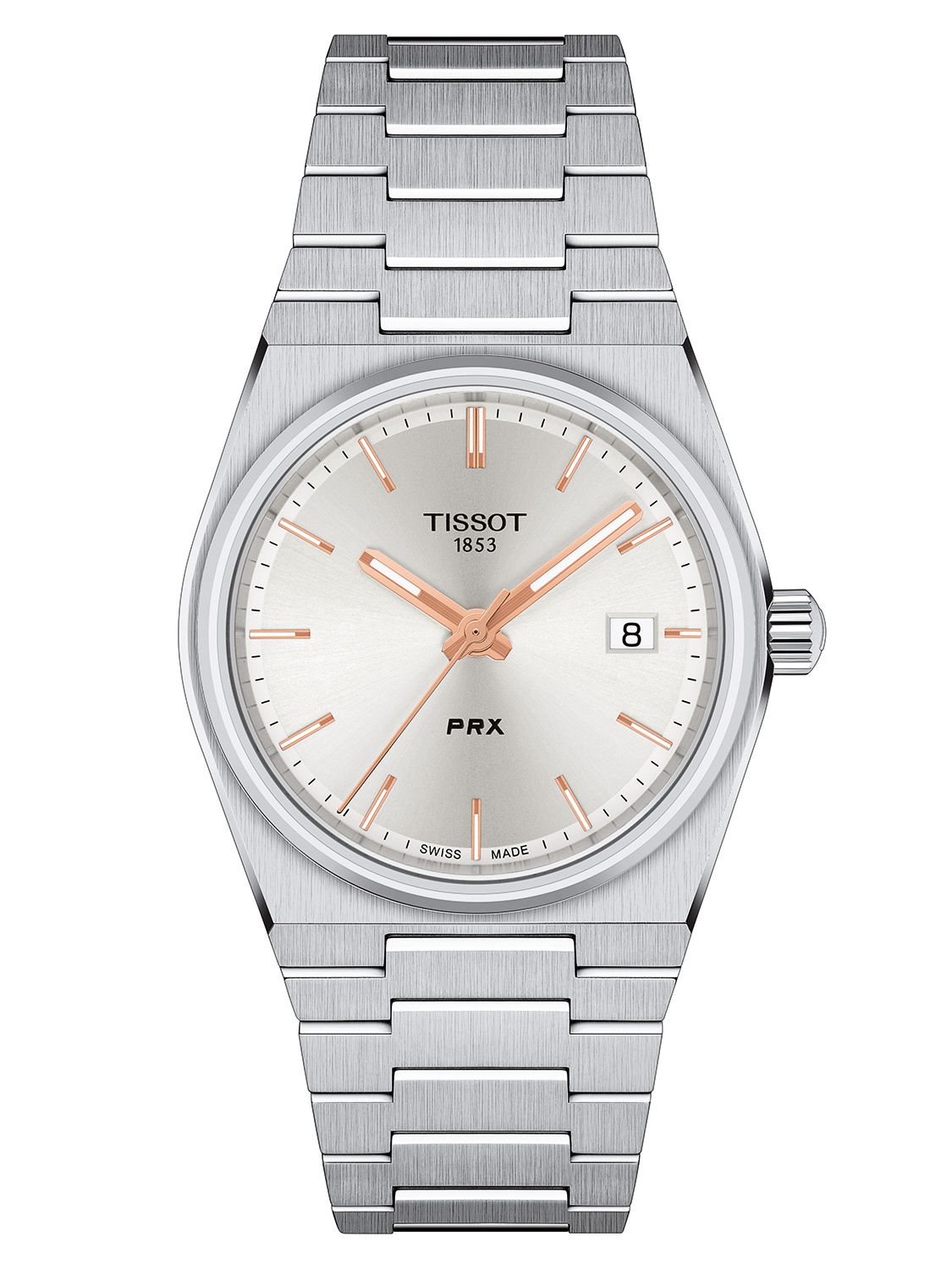
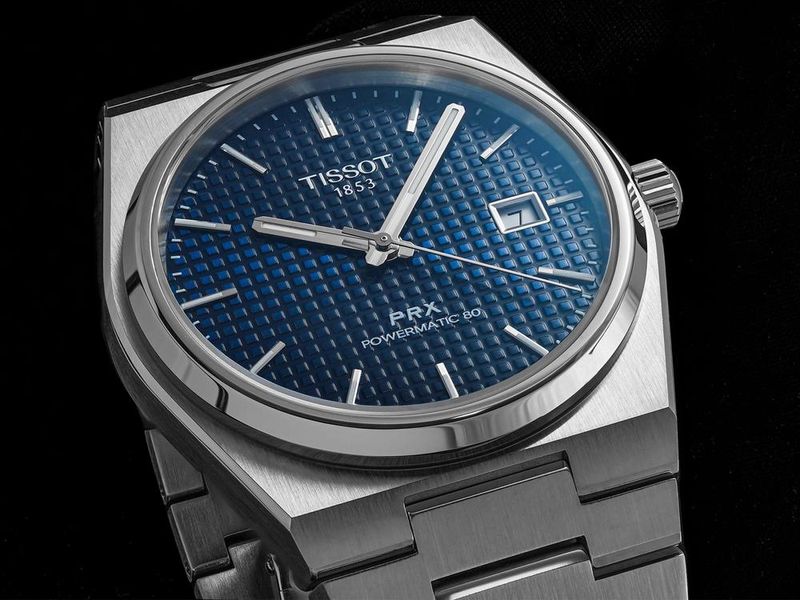
When choosing a timepiece from Tissot , one of the most important decisions buyers face is whether to opt for a quartz or an automatic watch. Both movement types offer unique advantages, and understanding the difference can help you select a watch that best suits your lifestyle, preferences, and expectations. Tissot, known for blending Swiss craftsmanship with accessible pricing, excels in producing high-quality models in both categories. Whether you’re considering a sporty PRX, a classic dress watch, or a robust dive watch, the choice between quartz and automatic significantly influences the experience of ownership.
What Is a Quartz Watch?
A quartz watch is powered by a battery and regulated by a quartz crystal. When electricity from the battery passes through the crystal, it vibrates at a precise frequency—usually 32,768 times per second. These vibrations are converted into consistent timekeeping signals.
Tissot offers several quartz models, including versions of the Tissot PRX and other collections such as T-Sport and T-Lady. Quartz watches are often favored for their accuracy and convenience.
Key Features of Tissot Quartz Watches:
Exceptional Accuracy: Quartz watches typically lose or gain only a few seconds per month.
Low Maintenance: Battery replacement is required every few years, but no regular winding is necessary.
Slim Profiles: Quartz movements are thinner, allowing for sleek and lightweight cases.
Affordability: Generally more budget-friendly than automatic models.
Quartz watches are ideal for individuals who prioritize precision and ease of use. You can leave them unworn for days or weeks, and they will continue running without interruption.
What Is an Automatic Watch?
An automatic watch, also known as a self-winding watch, operates without a battery. Instead, it uses mechanical energy generated by the motion of the wearer’s wrist. Inside the watch, a rotor spins as you move, winding the mainspring and storing energy.
Many Tissot automatic models feature the renowned Powermatic 80 movement. For example, the Tissot PRX Powermatic 80 offers an impressive 80-hour power reserve, allowing the watch to run for over three days without being worn.
Key Features of Tissot Automatic Watches:
Mechanical Craftsmanship: A complex assembly of gears and springs creates a traditional horological experience.
Smooth Sweeping Second Hand: Unlike quartz watches, which tick once per second, automatics sweep smoothly.
No Battery Required: Powered entirely by wrist movement.
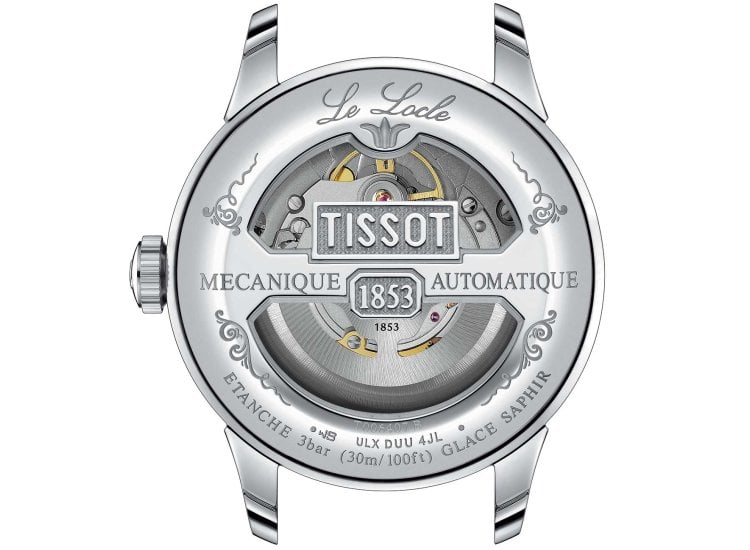
Exhibition Casebacks: Many models allow you to see the movement in action.
Automatic watches are often appreciated for their engineering and heritage. They connect wearers to centuries of Swiss watchmaking tradition.
Accuracy Comparison
Accuracy is one of the primary differences between quartz and automatic movements.
Quartz: Extremely accurate, typically deviating by ±15 seconds per month.
Automatic: Usually accurate to within ±5 to ±15 seconds per day, depending on regulation.
If absolute precision is your top priority, Tissot Ballade quartz is the clear winner. However, many watch enthusiasts accept minor daily variations in automatics as part of their charm.
Maintenance and Longevity
Quartz watches require minimal upkeep. Battery changes every two to three years are typically sufficient. Over time, however, electronic components may need servicing.
Automatic watches, on the other hand, require periodic servicing—usually every 3–5 years—to maintain performance. This involves cleaning, lubrication, and adjustment of internal components.
While automatics demand more care, they are often viewed as long-term investments. With proper servicing, a mechanical watch can last decades or even generations.
Cost Differences
Quartz watches are generally more affordable because their movements are less complex and cheaper to manufacture. Tissot quartz models provide Swiss quality at entry-level price points, making them accessible to new collectors.
Automatic watches cost more due to the intricate craftsmanship involved. The Powermatic 80 movement, for example, includes advanced engineering to extend power reserve and improve efficiency.
Despite the price difference, Tissot remains competitive compared to many Swiss brands, offering both movement types at excellent value.
Wearing Experience
The experience of wearing a quartz watch differs subtly from that of an automatic.
Quartz: Lightweight, worry-free, Tissot PRX and dependable. Perfect for daily routines or professional environments where punctuality is essential.
Automatic: Offers a tactile, emotional connection. The smooth second-hand sweep and visible rotor create a sense of artistry and mechanical life.
Some collectors describe automatic watches as having “soul,” while quartz watches are often praised for practicality.
Style and Collection Availability
Tissot ensures that both quartz and automatic options are available across many of its collections.
For example:
The PRX line includes both quartz and automatic versions.
The Le Locle collection primarily features automatic dress watches.
T-Sport models frequently offer quartz chronographs for athletic functionality.
This flexibility allows buyers to select a preferred design first and then decide on movement type.
Environmental Considerations
Quartz watches rely on batteries, which eventually need disposal and replacement. Automatic watches, powered by motion, eliminate battery waste but require mechanical servicing.
Tissot has also introduced hybrid innovations such as solar-powered models within its broader range, reflecting a commitment to sustainability.
Who Should Choose Quartz?
You may prefer a quartz Tissot watch if:
You want maximum accuracy.
You prefer low maintenance.
You rotate watches frequently and don’t want to reset time often.
You seek a more affordable entry into Swiss watchmaking.
Quartz is particularly suitable for busy professionals or individuals who value reliability above mechanical complexity.
Who Should Choose Automatic?
An automatic Tissot may be ideal if:
You appreciate traditional craftsmanship.
You enjoy the mechanical movement’s sweeping motion.
You want a watch with long-term collectible appeal.
You value heritage and engineering artistry.
Automatic watches resonate strongly with enthusiasts who see timepieces as more than tools—they are miniature mechanical marvels.
Final Thoughts
Choosing between quartz and automatic in a Tissot watch ultimately depends on your priorities. Quartz delivers unmatched accuracy, Tissot PR516 convenience, and affordability. Automatic watches offer tradition, craftsmanship, and emotional engagement.
Both movement types reflect Tissot’s dedication to Swiss precision and quality. Whether you are drawn to the practicality of quartz or the artistry of automatic mechanics, Tissot ensures that either choice represents reliable performance and timeless style.
In the end, the decision is not about which is objectively better—but which better aligns with your lifestyle and personal appreciation of horology.